

-
-
View All Categories
View All Products
View All Products
View All Products
-
-
-

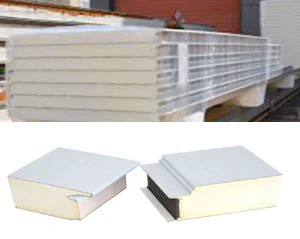
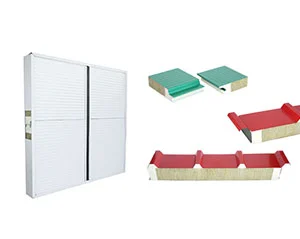
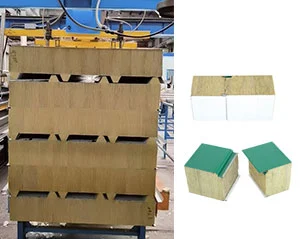
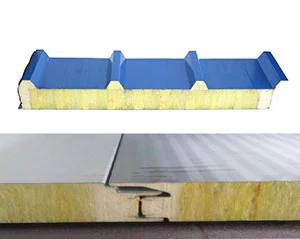
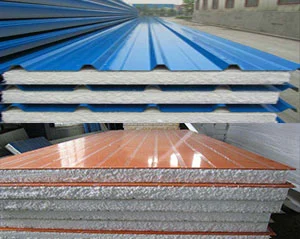
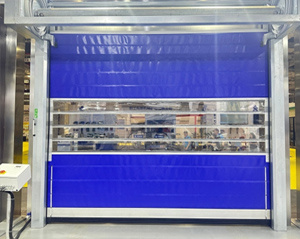
EPS Wall Panel

Effective thermal insulation and energy conservation
EPS wall panels use expanded polystyrene as the thermal insulation layer, creating an effective thermal barrier that slows heat transfer. In summer, they prevent external heat from entering, while in winter they help retain indoor warmth. This consistent performance reduces the demands on the air-conditioning system, enabling property owners to cut annual electricity costs by 25–30%. Polystyrene wall panels maintain a stable indoor temperature year-round, enhancing comfort in residential and commercial spaces while saving energy and lowering carbon dioxide emissions.
Lightweight design and cost-effectiveness
The low-density expanded polystyrene core of EPS sandwich panels reduces the overall weight of the building, thereby decreasing structural loads and minimizing foundation requirements. This feature also simplifies construction operations. At the same time, EPS panels represent a highly cost-effective solution compared to rock wool or polyurethane panels. Their materials and manufacturing process are more affordable, helping to lower the project’s total budget. Moreover, these panels offer a long service life with minimal maintenance, further enhancing their economic efficiency.


Simplified installation and time savings
Our team of engineers has developed these polystyrene wall panels specifically to enhance installation efficiency. The lightweight construction weighs only 15–20 kg per square meter, making it easy for small crews to handle. An innovative tongue-and-groove connection system ensures perfect alignment during installation. Workers can quickly cut the panels to the required dimensions using standard tools. A specialized adhesive provides a strong, long-lasting bond between the panels. A typical two-person crew can install 30–40 square meters per day. This accelerated pace reduces overall project timelines by approximately 40%. Compared with traditional methods, the system generates minimal construction waste and fully complies with modern environmental protection standards. Installation eliminates labor-intensive tasks such as plastering, and enclosure structures achieve waterproofing much more rapidly. Such efficiency leads to earlier project completion and significant savings on labor costs. The entire process remains clean and environmentally responsible.


Recommend cases
Key words:
More news

Harbin Dongan Building Sheets Co.,Ltd. & BH Building Co.,LTD
Address: No.21, Hawu Road, Pingfang District, Harbin City