

-
-
View All Categories
View All Products
View All Products
View All Products
-
-
-

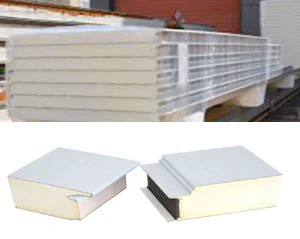
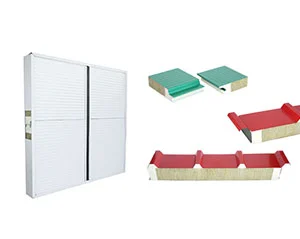
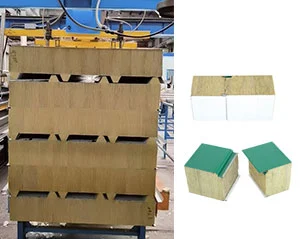
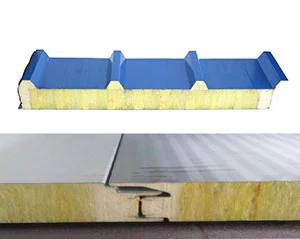
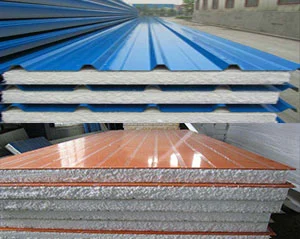
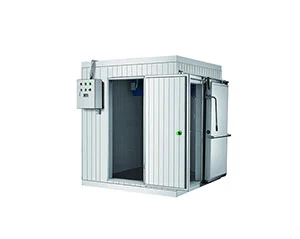
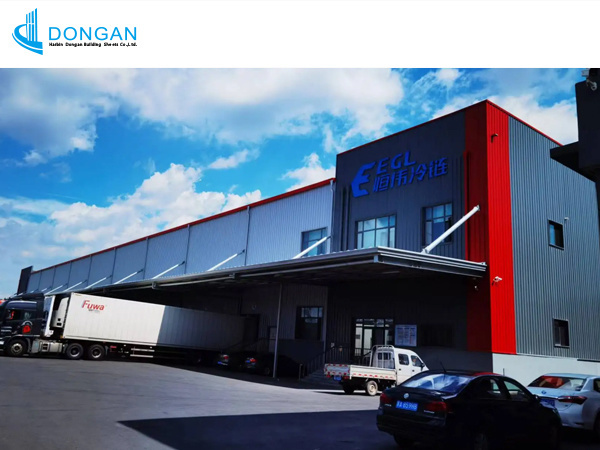
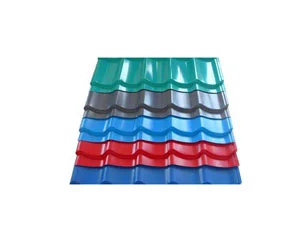
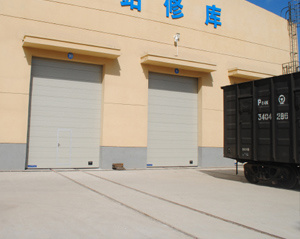
EPS Roof Panel

Stable thermal insulation and energy efficiency
At the heart of the EPS roofing panel lies expanded polystyrene, which boasts exceptionally low thermal conductivity—0.034–0.04 W/(m·K). This high‑quality insulation material forms a reliable thermal barrier that effectively limits heat gain during the summer months, significantly reducing energy consumption for air conditioning. At the same time, it minimizes heat loss indoors in winter, substantially cutting heating costs. For building owners, these outstanding thermal performance characteristics translate into a 20–28% reduction in annual electricity expenses. The panel’s continuous insulating layer maintains a consistently comfortable indoor temperature throughout the season, efficiently shielding interior spaces from external weather fluctuations. This energy‑efficient solution not only lowers operating costs but also enhances occupant comfort, supporting sustainable development goals by reducing carbon dioxide emissions.
Lightweight design and cost-effectiveness
The low-density expanded polystyrene core of EPS sandwich panels reduces the overall weight of the building, thereby decreasing structural loads and minimizing foundation requirements. This feature also simplifies construction operations. At the same time, EPS panels represent a highly cost-effective solution compared to rock wool or polyurethane panels. Their materials and manufacturing process are more affordable, helping to lower the project’s total budget. Moreover, these panels offer a long service life with minimal maintenance, further enhancing their economic efficiency.


Simple installation and construction speed
A polystyrene roofing panel has been specifically designed for efficient on-site assembly, thanks to its lightweight construction and a prefabricated lap‑joint system. Installation is straightforward: the panels can be quickly aligned and secured without complex cutting or welding. With proper preparation, a professional crew of three can install 50–65 square meters of roofing per day, significantly reducing roof‑construction timelines compared with traditional materials. This not only lowers labor costs but also minimizes disruptions on the job site, enabling buildings to be commissioned more rapidly.


Recommend cases
Key words:
More news

Harbin Dongan Building Sheets Co.,Ltd. & BH Building Co.,LTD
Address: No.21, Hawu Road, Pingfang District, Harbin City