

-
-
View All Categories
View All Products
View All Products
View All Products
-
-
-

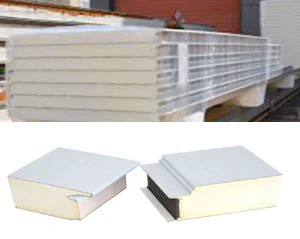
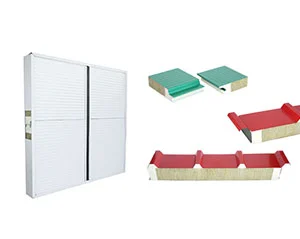
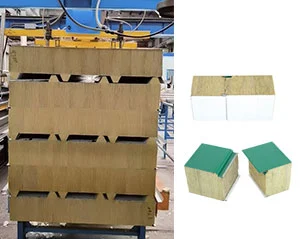
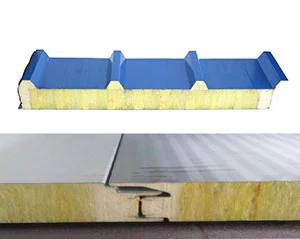
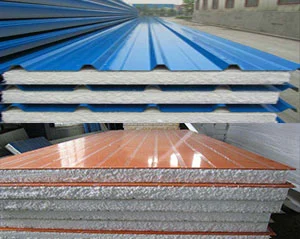
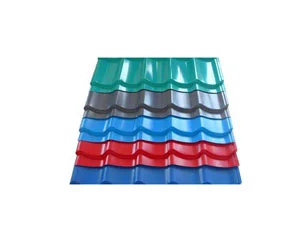
Rock Wool Roof Panel

Stable thermal insulation and energy efficiency
A rock wool roofing panel uses high-density basalt wool as its primary insulation layer and boasts a thermal conductivity of 0.038–0.041 W/(m·K), meeting the highest insulation standards. Its dense fibrous structure creates a compact, impermeable thermal barrier that minimizes heat transfer through conduction, convection, and radiation. In summer, these panels effectively block intense solar radiation from reaching the roof, reducing the load on indoor cooling systems and easing the operation of air-conditioning units. In winter, they reliably retain indoor heat, preventing unnecessary heat loss to the outside environment and lowering energy consumption for heating. This year-round temperature regulation can cut annual electricity bills while maintaining a stable, comfortable indoor climate despite abrupt external weather changes—aligning with modern energy‑saving requirements in sustainable construction.
Class A fire resistance and a durable, robust construction
Outstanding fire resistance and long-lasting performance are the key advantages of rock wool roofing panels. As an inorganic, non-combustible material composed of natural basalt fibers, it meets the highest fire‑resistance class A—crucial factors in protecting the building and its occupants during fire emergencies. Its reinforced composite structure, combining a dense rock wool core with a high‑strength colored steel surface, delivers a compressive strength and exceptional resistance to wind, snow, and structural loads. Moreover, the rock wool roofing panel exhibits superior resistance to corrosion, aging, and moisture ingress thanks to its inorganic composition and weather‑proof surface treatment, maintaining its structural integrity and insulating properties for many years—even under harsh climatic conditions such as heavy rain, strong winds, or extreme temperature fluctuations.


Fast modular installation and construction efficiency
A rock wool roofing panel, specifically engineered for ease of installation and site productivity, features a lightweight modular design combined with a prefabricated lap‑joint connection system. During installation, there is no need for complex welding, cutting, or on‑site modifications—panels can be swiftly positioned, aligned, and fastened to the roof sheathing using standard fasteners. A skilled crew of three workers can efficiently install 55–75 square meters of roofing per day, reducing overall roof‑construction time compared with traditional roofing materials such as concrete or asphalt shingles. This streamlined installation process not only lowers labor costs and minimizes construction waste but also accelerates project completion and enables earlier building commissioning, delivering significant economic benefits for both new construction and roof‑renovation projects.


Recommend cases
Key words:
More news

Harbin Dongan Building Sheets Co.,Ltd. & BH Building Co.,LTD
Address: No.21, Hawu Road, Pingfang District, Harbin City